
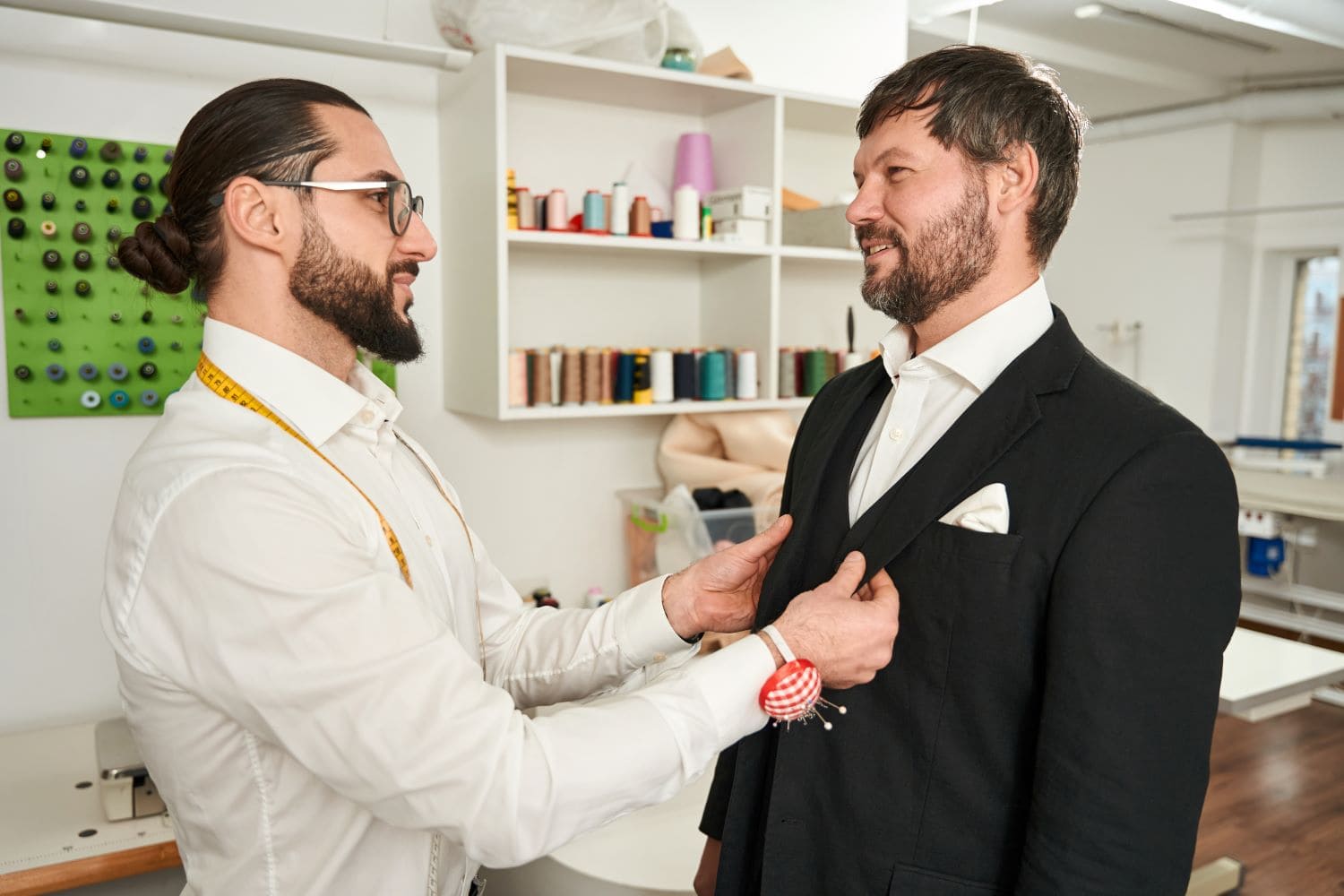
Bangkok has earned a global reputation as a top destination for bespoke tailoring. Whether we’re after a classic business suit, a wedding tuxedo, or a custom blazer that actually flatters our body, the city offers skilled cutters, abundant fabric choices, and competitive pricing. In this guide we’ll walk you through why Bangkok is a smart choice, how to find a reputable tailor, what to expect during the process, and practical tips to make sure your bespoke garments fit and last. Our goal is to help you get great results without wasted time or surprises.
Why Choose A Bespoke Tailor In Bangkok
Bangkok combines decades of tailoring expertise with lower overheads and access to high-quality materials, a rare sweet spot. Many tailors apprenticed for years with master cutters, and modern shops often pair that craft with up-to-date construction techniques. The result: craftsmanship that can rival ateliers in London or Hong Kong but at a fraction of the price.
Beyond cost and craftsmanship, Bangkok’s tailoring ecosystem is efficient. Fabric mills, lining and button suppliers, and alteration services are all nearby. That reduces lead times and gives us tremendous choice: Italian wool, Japanese flannel, lightweight tropical blends, and even uncommon textures like mohair-silk blends.
Another practical advantage is the city’s experience serving international clients. Many tailors are accustomed to working with travelers: they understand passport-based scheduling, digital communication for follow-ups, and the importance of final fittings timed around flight departures. For first-timers and repeat customers alike, Bangkok offers value without sacrificing quality.
How To Find A Reputable Bespoke Tailor
Finding a trustworthy tailor is the most important step. We recommend a mix of research, referrals, and in-person vetting. Start with recommendations from friends, hotel concierges, or business contacts who have had successful garments made. Online reviews help, but treat them as one data point rather than proof.
When we shortlist shops, we look for these signs of credibility: a visible workshop (not just a showroom), photos or portfolios of previous bespoke work, clear communication about fabric sources, and a willingness to explain construction details (interlining, canvassing, pad stitching). Ask how long the cutter has been in the trade and whether measurements are recorded digitally and retained for future orders.
On your first visit we advise bringing a simple brief: the type of garment, style references, and a budget range. A reputable tailor will ask detailed questions, suggest fabrics that match climate and use, and provide a realistic timeline and clear pricing. If a tailor pressures you into an immediate order or gives price quotes that seem too good to be true, walk away, quality bespoke requires time and skill, and pricing reflects that.
The Bespoke Tailoring Process: Step By Step
Bespoke tailoring is collaborative: the final garment reflects your body, posture, and personal style. Below are the key stages you’ll go through and what we should expect at each.
Consultation And Design
The consultation is where we shape the brief. We discuss silhouette (single- or double-breasted), lapel style, vents, pocket types, and lining color. Bring reference photos, but be open to the cutter’s suggestions: sometimes small adjustments to proportion or lapel width make a dramatic difference on your frame. At this stage the tailor will recommend fabrics suited to the style and climate and explain fabric performance (drape, wrinkle resistance). A clear, well-documented design brief prevents misunderstandings later on.
Measurements And Body Profiling
Measurements in bespoke are more than chest-waist-hip numbers. Skilled cutters take dozens of measurements and observe posture, shoulder slope, muscle development, and how you stand or walk. Expect measurements for arm length, back length, chest, seat, rise (for trousers), and multiple circumferences for precise fit. Some ateliers also create a paper or calico toile (a test garment) to check the fit before final assembly, a critical step for complex jackets and high-end suits. We should allow the cutter to guide adjustments: what looks unusual on paper often reads well in three-dimensional tailoring.
Pricing, Timeline, And Factors That Affect Cost
Several variables determine price: fabric quality, the cutter’s experience, level of handwork, number of fittings, and any embellishments (monograms, functional buttonholes, special linings). Location and shop reputation also play roles, central Bangkok boutiques with international reputations charge premiums over smaller neighborhood workshops.
Typical Price Ranges And What’s Included
For context, typical price ranges (indicative, not fixed) are: a basic bespoke jacket from a reputable Bangkok tailor might start at a mid-range price point, while full-canvas, highly hand-finished suits in premium wool begin higher. Prices often include multiple fittings and basic alterations, but extras like bespoke linings, extra pockets, or specialty buttons can add to the final bill. Always confirm what’s included in the quoted price: number of fittings, whether trousers are included, and any allowance for post-delivery tweaks.
Production Time And Rush Options
Normal production for bespoke garments in Bangkok usually runs from two to six weeks depending on complexity, fabric availability, and shop workload. If we’re on a tight schedule, many tailors offer rush options for an added fee, but quality can suffer when stages are compressed. When traveling, we prefer to build a comfortable buffer of at least a few extra days between final fitting and departure to accommodate last-minute adjustments.
Practical Tips For A Smooth Bespoke Experience
A few practical habits make the process far more effective and enjoyable.
How To Communicate Style And Fit Preferences
Use clear, concise references. Instead of vague terms like “modern fit,” show pictures or point to a jacket you already own and like. Explain how you’ll wear the garment, daily in an office, for occasional formal events, or travel, so the cutter can recommend fabric and construction accordingly. Be honest about how you like clothes to feel: do you prefer more room for movement or a closer silhouette?
What To Bring To Appointments (Shoes, Shirts, Reference Photos)
Bring the shoes you’ll wear with the trousers (they affect hem length), a shirt with collar style you prefer, and a belt you normally use. Reference photos and fabric swatches help convey style. If you’re ordering multiple pieces, wear layers so the tailor can judge fit across garments.
Common Fit Mistakes To Avoid
Common errors include underestimating how much movement we need (especially in the shoulders and thighs), choosing overly heavy fabrics for Bangkok’s heat, and asking for extremely narrow lapels that date quickly. Trust the cutter’s proportion advice, bespoke should enhance your proportions, not fight them.
Alterations, Aftercare, And Warranties
A good tailor stands behind their work with sensible alteration and aftercare policies. We should clarify these policies before paying the final balance.
Post-Delivery Alterations And Local Alteration Options
Most reputable Bangkok tailors include a period of free or discounted post-delivery alterations (commonly a few weeks) to perfect the fit. If we move on or need future tweaks, local alteration shops can often make minor changes, but always return to the original tailor for structural fixes where possible: they’ll have the original patterns and construction notes.
Care, Storage, And Maintenance For Bespoke Garments
Proper care extends the life of bespoke pieces. We recommend: rotating suits to allow recovery, using wooden hangers to keep shoulder shape, storing in breathable garment bags, and dry-cleaning sparingly (once or twice a season unless stained). For wool, occasional brushing and airing out removes surface dust and odors. Discuss any warranty or repair policies the tailor offers for thread or seam failures.
Travel Considerations: Timing, Payments, And Language
When ordering while traveling, planning smooths the process and reduces stress.
Payment Methods, Deposits, And Tipping Etiquette
Most tailors require a deposit (commonly 30–50%) to start work, with the balance paid at final collection. Many accept cash (Thai baht) and major cards, but smaller shops may prefer cash. Confirm accepted payment methods upfront. Tipping isn’t mandatory, but a modest tip or positive review for excellent service is appreciated: if someone went above and beyond, a small cash tip for the cutter can be a nice gesture.
Scheduling Around Your Trip And Time Buffers
Schedule the first consultation early in your trip to allow for fabric selection and multiple fittings. Aim for at least three weeks if you want a relaxed timeline: shorter stays require clear communication and possibly a rush fee. Leave a buffer day between the final fitting and your flight, unexpected issues do happen, and being flexible prevents stress.
Conclusion
bespoke tailor Bangkok can deliver outstanding value and a level of personalization mass-market brands can’t match. By choosing a reputable tailor, communicating clearly, and allowing sensible time for fittings and alterations, we can come away with garments that fit better, look sharper, and last longer. If you’re planning a trip with tailoring on the agenda, treat it like any other worthwhile investment: do a little assignments, bring the right items to appointments, and enjoy the process of creating clothes that are genuinely yours.